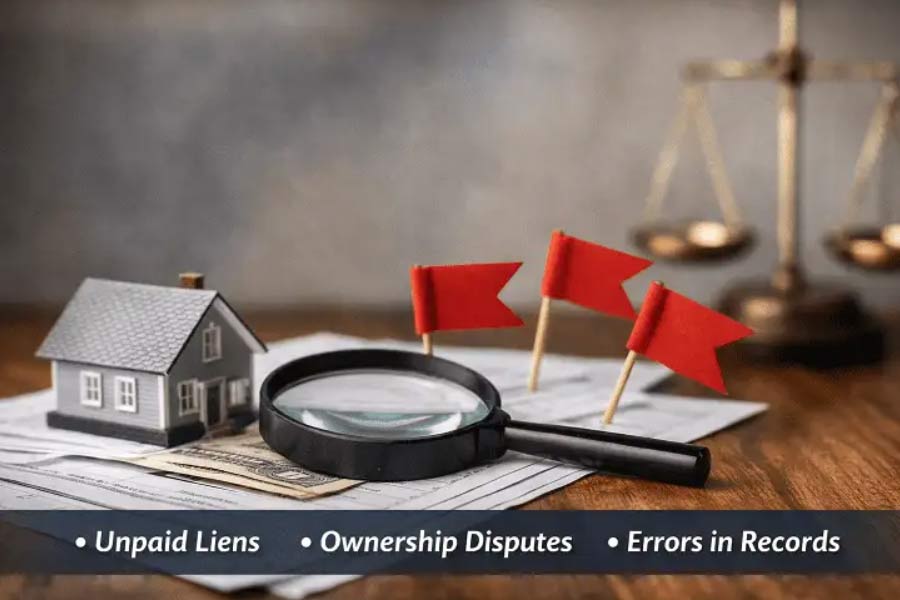
You found your dream home in Hoboken. The inspection came back clean. The seller accepted your offer. Everything feels like smooth sailing — until your attorney calls with a problem buried in the title search.
This scenario plays out more often than most New Jersey buyers realize. A property title search is not just a formality — it is the legal backbone of any real estate transaction. The red flags hiding inside that paperwork can stall a closing, cost thousands of dollars, or worse — put your ownership at legal risk long after you’ve moved in.
At AcerSearch, we work at the intersection of data and real estate intelligence. We’ve seen what happens when title issues are caught late — and what happens when they’re caught early. The difference is significant.
Here’s what to watch for — and when.
The Most Common Property Title Search Red Flags in New Jersey
1. Unpaid Liens — The Hidden Debt That Follows the Property
One of the most frequent property title search red flags is an unresolved lien. These may include contractor mechanic’s liens, unpaid HOA dues, IRS tax liens, and judgment liens resulting from court cases. In New Jersey, liens attach to the property itself — not just to the seller. This means that if the previous owner failed to pay a contractor for a renovation, that debt can legally transfer with the property.
Catch it early by requesting a full lien search as part of your due diligence, and never rely solely on the seller’s disclosure.
2. Breaks or Gaps in the Chain of Title
The chain of title represents the sequential history of property ownership. A clean chain reflects an unbroken transfer from one owner to the next. A gap — even a minor one — may indicate a forged deed, a missing heir, or an estate that was never properly probated.
In New Jersey, this issue is especially common in older Bergen County and Essex County properties, where records predating digital systems were not fully digitized. If a historical deed lacks proper acknowledgment or notarization, it can create a cloud on the title — making the property legally unmarketable.
3. Easements and Encroachments You Didn't Know About
An easement grants a third party — such as a utility company, neighbor, or municipality — the legal right to use a portion of your property. While easements do not always prevent a sale, they can significantly impact how the property is used.
Encroachments, where a neighboring structure or boundary crosses into your property, are another major red flag. These can lead to legal disputes and negatively affect property value.
These issues are typically identified through a property survey. That’s why AcerSearch strongly recommends ordering a current survey alongside your property title search. An outdated survey may not reflect recent changes or improvements.
4. Errors in Public Records — Small Mistakes, Big Problems
Clerical errors in public records are more common than expected. A misspelled name, incorrect legal description, or transposed parcel number can cloud a title and delay closing.
In New Jersey’s county recording systems — many of which involve manual filings and retroactive digitization — these inconsistencies can easily occur. Even minor discrepancies should be flagged immediately with your attorney or title professional, as they can escalate into significant legal complications.
5. Undisclosed Heirs or Prior Claims
When a property is transferred through an estate, there is always a risk that heirs may have been overlooked or excluded. If a rightful heir was not included in probate proceedings, they may later assert a legal claim on the property — even after it has been sold.
This is one of the more complex property title search red flags, as it often requires investigation beyond standard recorded documents. It may involve probate filings, out-of-state records, or historical family data. An experienced title search provider will know how to uncover these risks.
6. Unreleased Mortgages
In some cases, a mortgage may have been fully paid off, but the lender never recorded a formal satisfaction. While the debt is no longer active, the lien may still appear in public records.
This unreleased mortgage must be formally discharged before the title can be considered clear. New Jersey provides legal mechanisms to resolve this issue, but the process can take time — making early detection critical.
How to Catch These Issues Before They Derail Your Closing
The most effective strategy is simple: start early and work with experienced professionals.
A qualified title search company with deep expertise in New Jersey real estate will know how to access county records, cross-reference filings, and identify patterns that signal hidden risks. More importantly, they know when to escalate an issue to a real estate attorney before it becomes a closing-day problem.
Here’s a practical checklist for New Jersey buyers:
- Order your property title search as soon as you go under contract — not at the last minute
- Request a full chain of title review going back at least 60 years
- Obtain a current property survey, especially for older homes or irregular lots
- Ask about open permits — a common New Jersey issue where prior work was never officially closed
- Purchase owner’s title insurance to protect against post-closing title defects
The Connection to Bigger Title Risk Factors
The issues outlined above are only part of the broader title risk landscape. Each red flag contributes to larger risks that can impact financing, delay closings, or create legal complications.
Our cornerstone resource, “Title Risk in Real Estate Transactions: Hidden Issues That Can Derail Closings (2026 Guide)”, explores how these risks interact with lender requirements, transaction timelines, and legal remedies specific to New Jersey.
If you’re currently in a transaction — or planning one — that guide should be your next step.
Q: What are the most common red flags in a property title search in New Jersey?
A: The most common red flags include unpaid liens, gaps in the chain of title, undisclosed heirs, unreleased mortgages, easements or encroachments, and clerical errors in public records.
Q: How early should I order a property title search in New Jersey?
A: You should order it as soon as you are under contract. Starting early provides enough time to identify and resolve issues before closing.
Q: Does owner's title insurance protect me against title search problems in NJ?
A: Yes. Owner’s title insurance protects against covered title defects that may surface after closing, including issues missed during the initial search.
Q: How long does a property title search take in New Jersey?
A: Typically, it takes between 3 to 10 business days, depending on the complexity of the property history and the county records involved.
Final Thought — Don't Wait for the Phone Call
Property title search red flags rarely announce themselves. They remain buried in public records, often surfacing at the worst possible moment.
In New Jersey’s complex real estate environment, the cost of missing these issues can be significant.
AcerSearch combines data-driven research with local expertise to ensure nothing is overlooked. Whether you’re a first-time buyer in Parsippany or a seasoned investor in Newark, our title search process is designed to identify risks early — before they become costly problems.
Have questions about a specific property title issue in New Jersey? Reach out to the AcerSearch team — we’re here to help you close with confidence.