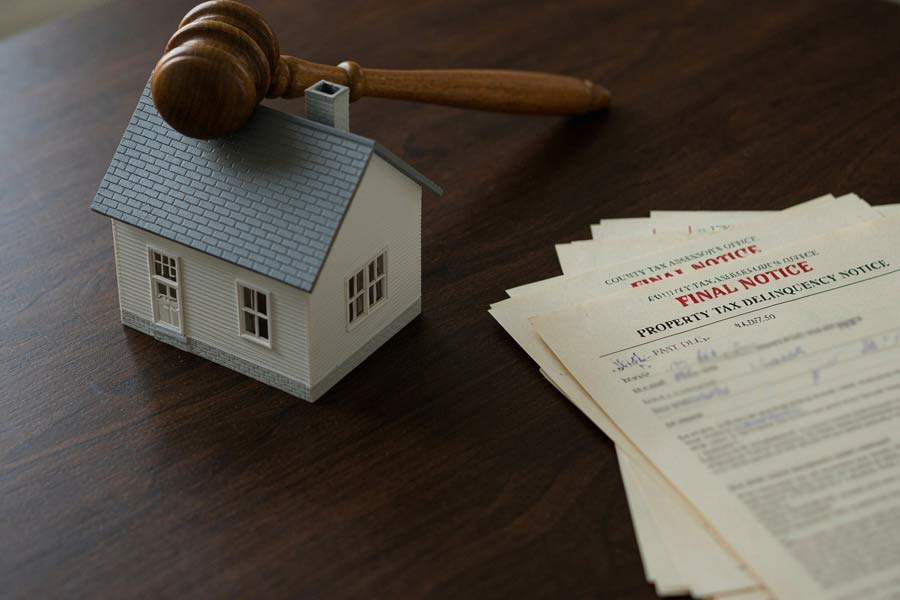
Buying a home or investment property is stressful enough without discovering, weeks after closing, that the county is owed thousands in back taxes. Yet that’s exactly what happens to buyers across New Jersey every year. Delinquent property taxes don’t just disappear when a home changes hands — in many cases, they follow the property, not the person who owed them.
If you’re purchasing real estate in New Jersey, understanding how delinquent property taxes work — and why the state treats them differently than most other debts — could save you from an expensive surprise.
What Are Delinquent Property Taxes?
Delinquent property taxes are simply taxes that a property owner hasn’t paid by the due date. In New Jersey, property taxes are billed quarterly, and once a payment is missed, interest begins accruing almost immediately. If the debt goes unresolved long enough, the municipality can sell the debt itself — not the property — through a tax sale.
That distinction matters. The buyer at a tax sale doesn’t get the deed right away. Instead, they receive a tax sale certificate, which gives them a lien on the property and the right to collect the debt, plus interest, from the owner.
Why Delinquent Property Taxes Are a Bigger Risk in New Jersey
New Jersey has some of the highest property tax rates in the country, and its tax lien laws are notably aggressive compared to other states. A few features make this especially important for buyers, lenders, and title professionals to understand.
NJ Tax Liens Take Priority Over Your Mortgage
This is the detail that catches the most people off guard. In New Jersey, a municipal tax lien holds first priority over virtually every other claim on a property — including a first mortgage. That means if back taxes go unpaid, the tax lien can move to foreclosure and wipe out a mortgage lender’s interest, regardless of when the loan was recorded.
High Interest Rates on Unpaid Taxes
New Jersey allows municipalities to charge interest of up to 18% annually on delinquent taxes, along with an additional year-end penalty of up to 6% on balances over $10,000. Debt that looks manageable at closing can balloon quickly if it’s been sitting unpaid for a year or more.
Tax Sale Certificates and Third-Party Investors
New Jersey municipalities are required to hold an annual tax sale for properties with delinquent taxes. Private investors regularly bid on these liens, which means a stranger — not the town — may hold the right to collect the debt or eventually foreclose on the property.
What Happens When Property Taxes Go Unpaid
The Annual Tax Sale
Each municipality in New Jersey must hold at least one tax sale a year for properties with outstanding taxes, assessments, or municipal charges. Investors bid down the interest rate they’re willing to accept, and the winning bidder receives the tax sale certificate.
The Redemption Period
The original owner still has the right to pay off the debt and reclaim clear title. Owner-occupied properties generally have longer redemption windows, but once the redemption period expires, the certificate holder can begin foreclosure.
In Rem Tax Foreclosure
If the debt is never redeemed, the certificate holder — whether the municipality or a private investor — can file for tax foreclosure. This is a distinct legal process from a mortgage foreclosure, and it can extinguish other liens, including mortgages, if not addressed in time.
Risks for Buyers Purchasing a Property with Delinquent Taxes
Inheriting Someone Else's Debt
Delinquent taxes are tied to the property, not the seller. If back taxes aren’t identified and cleared before closing, the new owner can become responsible for resolving them — including interest and penalties that accrued long before the sale.
Clouded Title and Closing Delays
An outstanding tax lien or an active tax sale certificate can create a defect in the chain of title. This can delay closing, complicate title insurance underwriting, or in worst cases, derail the deal entirely.
Surprise Costs After Closing
Buyers who skip a thorough due diligence process sometimes discover unpaid taxes, water/sewer charges, or municipal liens only after they’ve already taken ownership — at which point resolving them is far more expensive and time-consuming.
How a Tax Search Protects Buyers, Lenders, and Attorneys
This is exactly why a professional tax search is a non-negotiable step in any New Jersey real estate transaction. A tax search confirms the current status of property taxes, assessments, and municipal charges directly with the taxing authority — not just what’s reflected in public land records, which can lag behind.
For a deeper look at how tax searches fit into the broader due diligence process — and why lenders, attorneys, and title companies rely on them before every closing — see our complete guide: Tax Search in Real Estate: Complete Guide for Lenders, Attorneys & Title Companies.
Red Flags to Watch For Before You Buy
- A seller who is unusually motivated to close quickly
- Tax records that don't match the listing price or assessed value
- Any mention of a tax sale certificate in title work
- Municipal charges (water, sewer, demolition liens) alongside property taxes
- A property that changed hands recently through foreclosure or a short sale
Do delinquent property taxes transfer to the new owner in New Jersey?
Yes. Because the lien attaches to the property itself, unpaid taxes can remain a buyer's responsibility if they aren't resolved before closing.
Can a tax lien really override a mortgage in NJ?
Yes. New Jersey municipal tax liens have priority over mortgages, which is why lenders require a tax search before funding a loan.
How can buyers avoid inheriting tax debt?
Order a professional tax search before closing, confirm all municipal charges are current, and require the seller to clear any delinquency as a condition of sale.
Final Thoughts
Delinquent property taxes are one of the most overlooked risks in New Jersey real estate transactions — and one of the most expensive to ignore. Because tax liens carry legal priority over almost every other claim, buyers, lenders, and attorneys can’t rely on a standard title search alone. A dedicated tax search closes that gap, giving everyone at the closing table a clear, verified picture of what’s actually owed before the deal is done.